

The Science,
Facts & WHY
We Do What We Do
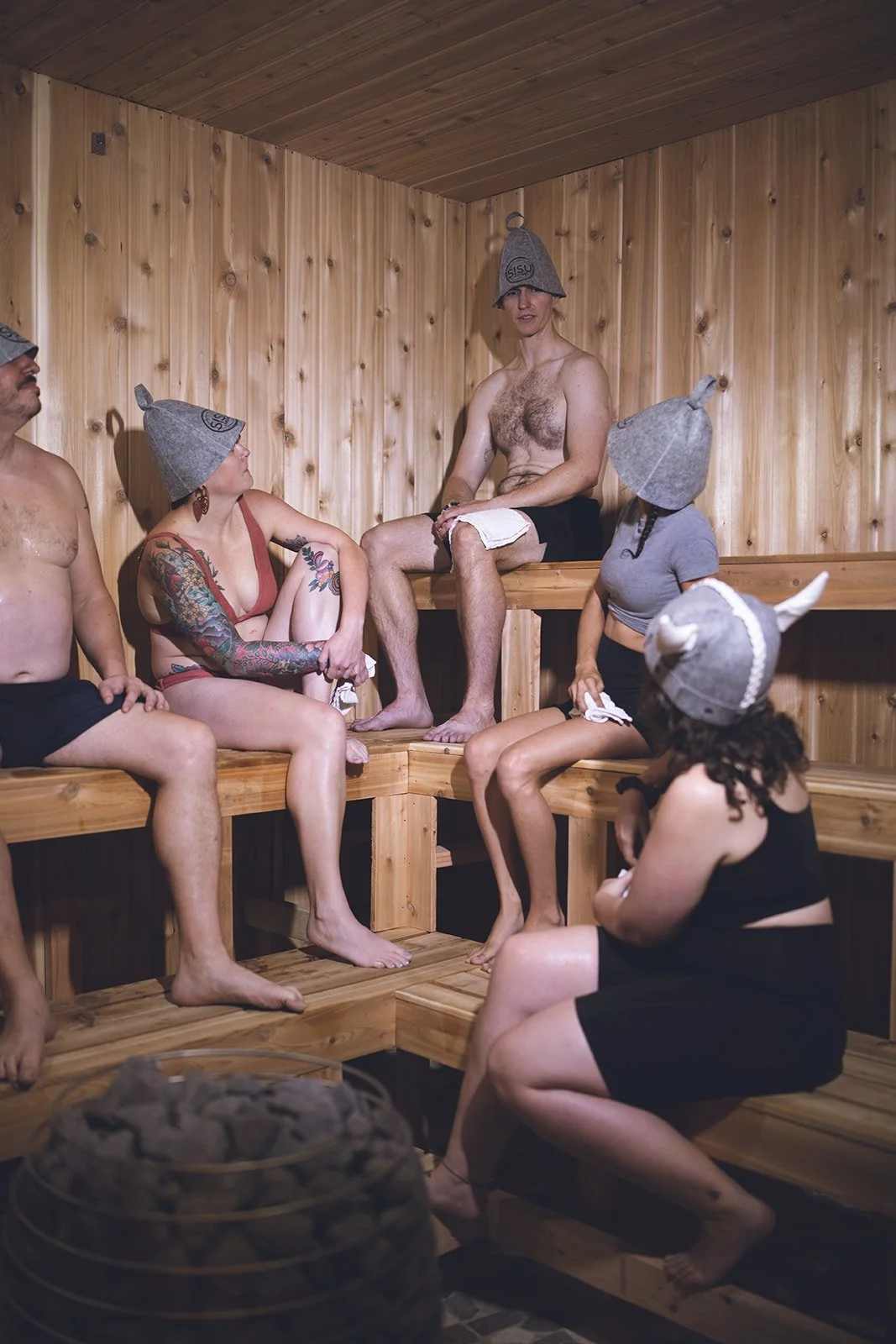
Why Sauna?
-
People have known about the benefits of sauna and cold plunge for centuries.
Contrast therapy – the practice of alternating between hot and cold temperatures – dates back to ancient Greek and Roman times. Sitting in a sauna followed by cold water immersion has been an important part of Nordic culture since about 7,000 BC and is an essential part of Scandinavian life to this day.
Sauna is a practice of intentional heat exposure—warmth that penetrates deep into the body, raising your core temperature and inviting a controlled stress response. This is not passive heat. It’s purposeful heat, used for centuries across cultures as a place for cleansing, restoration, and connection.
-
Recent science supports this time-honored practice, showing that cold water immersion can elevate the mood, relieve symptoms of depression, lower stress levels, and activate brown fat, which may help the body burn more calories. Sauna benefits include improved cardiovascular fitness, lower blood pressure and cholesterol, and a reduction in all-cause mortality.
Improved overall health, wellness, and performance.
Aids in recovery after intense physical activity. Saunas relax muscles and sooth aches/pains in both muscles and joints.
Flush toxins via the sweating process.
Improve brain health and relieve stress.
Induce a deeper sleep.
Help fight illness.
Cleanse the skin and burn calories - passively
Typical session length: 12-15 minutes
Sauna works best in intentional windows. Longer is not always better—the goal is adaptation, not depletion.
Why this duration works
Effective heat stress: 12-15 minutes is enough to raise core temperature and activate beneficial physiological responses without overwhelming the system.
Cardiovascular support: This time frame provides heart and circulation benefits similar to moderate exercise.
Nervous system training: Short, repeatable sessions teach the body to tolerate stress and return to calm more efficiently.
Sustainable practice: Encourages regular use without burnout or overexertion.
-
How Regular Sauna Usage Mimics Exercise and Benefits Cardiovascular Health
Peer-Reviewed Research on Sauna for Cardiovascular Health
Podcasts, Videos, and More on Sauna for Cardiovascular Health
-
Most Americans Don’t Get Enough Sleep – Sauna and Cold Plunge Can Help
Peer-Reviewed Research on Sauna for Sleep
Podcasts, Videos, and More on Sauna for Sleep
-
Peer-Reviewed Research on Community and Friendship
Podcasts, Videos, and More on Group Sauna and Cold Plunge
-
Sauna Health & Wellness Benefits, by Finnleo

Why Cold Plunge?
-
Cold plunge is brief, intentional exposure to cold water ranging at Sisu from 45-55 degrees F—designed to challenge the body in a controlled, supportive way. It’s not about shock or suffering. It’s about meeting the cold with awareness, breath, and choice.
You enter, you stay present, and you exit changed.
-
When your body meets cold:
Blood vessels constrict, improving circulation efficiency
The nervous system activates, sharpening focus and alertness
Endorphins and norepinephrine are released, elevating mood and mental clarity
Inflammation markers may decrease
Breath becomes more intentional, anchoring you in the present moment
Over time, repeated cold exposure trains your nervous system to respond to stress with more control and less reactivity.
Typical session length: 3-5 minutes
Cold works quickly. Very quickly. The benefits come from brief, intentional exposure—not long endurance tests.
Why this duration works
Nervous system recalibration: 3-5 minutes is enough to activate the sympathetic response and then practice settling back into control.
Hormetic stress: Short exposure triggers adaptation without overwhelming the system.
Inflammation support: Brief cold helps calm inflammatory signaling without numbing or dissociation.
Mental resilience training: Staying calm for a short window builds confidence and control that carries beyond the tub.
-
How a Cold Plunge Habit Can Help With Anxiety and Depression
Peer-Reviewed Research on Cold Plunge for Anxiety and Depression
Podcasts, Videos, and More on Cold Plunge for Anxiety and Depression
-
Most Americans Don’t Get Enough Sleep – Sauna and Cold Plunge Can Help
Peer-Reviewed Research on Cold Plunge for Sleep
Podcasts, Videos, and More on Cold Plunge for Sleep
-
Peer-Reviewed Research on Cold Plunge for Athletes
Podcasts, Videos, and More on Cold Plunge for Athletes
-
Peer-Reviewed Research on Community and Friendship
Podcasts, Videos, and More on Group Sauna and Cold Plunge
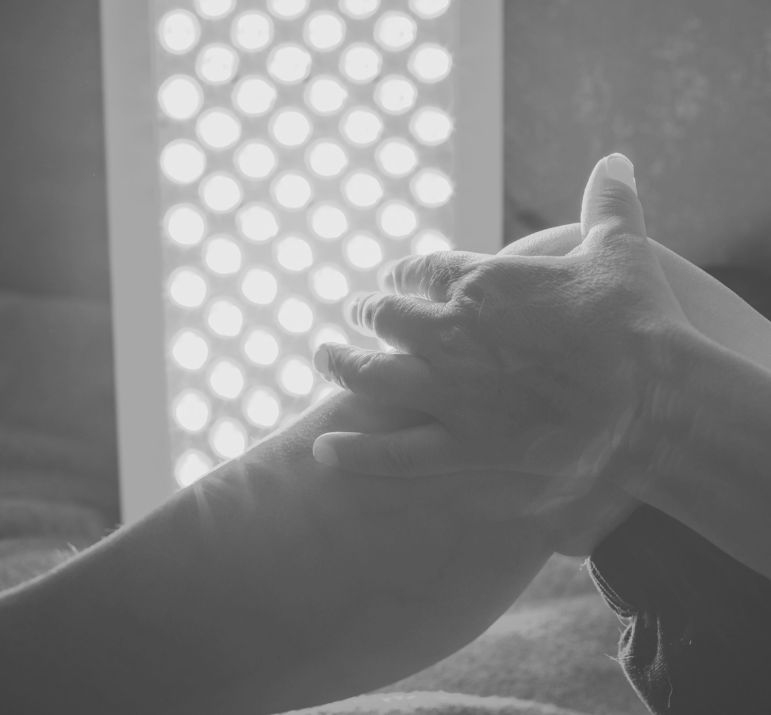
Why Red Light?
-
Red light therapy uses specific wavelengths of red and near-infrared light to gently penetrate the skin and underlying tissues. Unlike UV light, this is a non-heating, non-damaging light that works at a cellular level. You simply stand or sit in front of the panels and let the light do the work—no effort, no strain, no stimulation overload.
Your cells contain mitochondria—the part of the cell responsible for energy production. Red and near-infrared light help stimulate these mitochondria, supporting more efficient cellular energy (ATP) production. -
As cellular energy improves, the body is better able to:
Repair tissue
Reduce inflammation
Improve circulation
Support skin health
Enhance muscle recovery and joint comfort
This light also sends calming signals to the nervous system, offering a restorative experience rather than a taxing one.
Typical session length: 20 minutes
Red light therapy works through dose, not intensity. More time doesn’t equal better results—in fact, shorter, consistent sessions are where the real benefits happen.
Why this duration works
Cellular saturation: Mitochondria respond quickly to red and near-infrared light. Around 15-20 minutes is enough time to stimulate cellular energy production without overwhelming the system.
Hormetic effect: Red light follows a “just enough” principle. The right dose encourages repair and recovery; too much can blunt the response.
Nervous system friendly: This window supports calm and restoration without creating fatigue or overstimulation.
Consistency over strain: Shorter sessions make it easy to integrate into regular routines—before movement, after heat or cold, or as a standalone reset.
-

Why Extra Oxygen?
-
Oxygen therapy involves breathing in highly concentrated, medical-grade, oxygen through a mask or nasal cannula in a calm, seated environment. Unlike everyday breathing, which delivers about 21% oxygen, oxygen therapy increases the amount available to your body—without effort, strain, or stimulation.
Oxygen also supports the nervous system by reducing the stress signals associated with low oxygen availability, helping the body shift out of survival mode and into restoration.
-
Oxygen is essential for nearly every function in the body—from energy production to tissue repair to brain function. When oxygen availability increases:
Blood becomes more efficiently oxygenated
Improved Mood
Increases Exercise Tolerance
Relief from Altitude Sickness
Support for Headache Relief
Boosted Immune Function
Cells receive more fuel for recovery and repair
Circulation improves
Increased energy & alertness
Fatigue and “brain fog” often decrease
Typical session length: 15–30 minutes
Oxygen therapy works best when delivered in a focused, time-bound dose. Longer sessions don’t necessarily create better outcomes—consistent, moderate exposure does.
Why this duration works
Efficient uptake: The body responds quickly to increased oxygen availability. Within minutes, tissues and the brain begin to benefit.
Nervous system balance: This window supports clarity and calm without causing restlessness or overstimulation.
Integration-friendly: Easy to pair before or after sauna, cold plunge, yoga, or red light therapy.
Sustainable consistency: Short sessions encourage regular use, which compounds benefits over time.
When focusing on the positives, it’s easy to see that the potential side effects of using oxygen bars are minimal for healthy individuals. Oxygen bars use medical-grade oxygen, and the sessions are relatively short. For the majority of people, this makes oxygen bar use completely safe.
However, if you have a pre-existing lung condition or are currently using supplemental oxygen under medical supervision, it’s always best to consult with your healthcare provider before using an oxygen bar. This is because too much oxygen can sometimes be harmful to individuals with very specific respiratory issues and can lead to other health conditions.
For the average person, though, there is no significant risk associated with breathing concentrated oxygen in short durations, as the body easily regulates the amount of oxygen it can use and expels the excess.
-